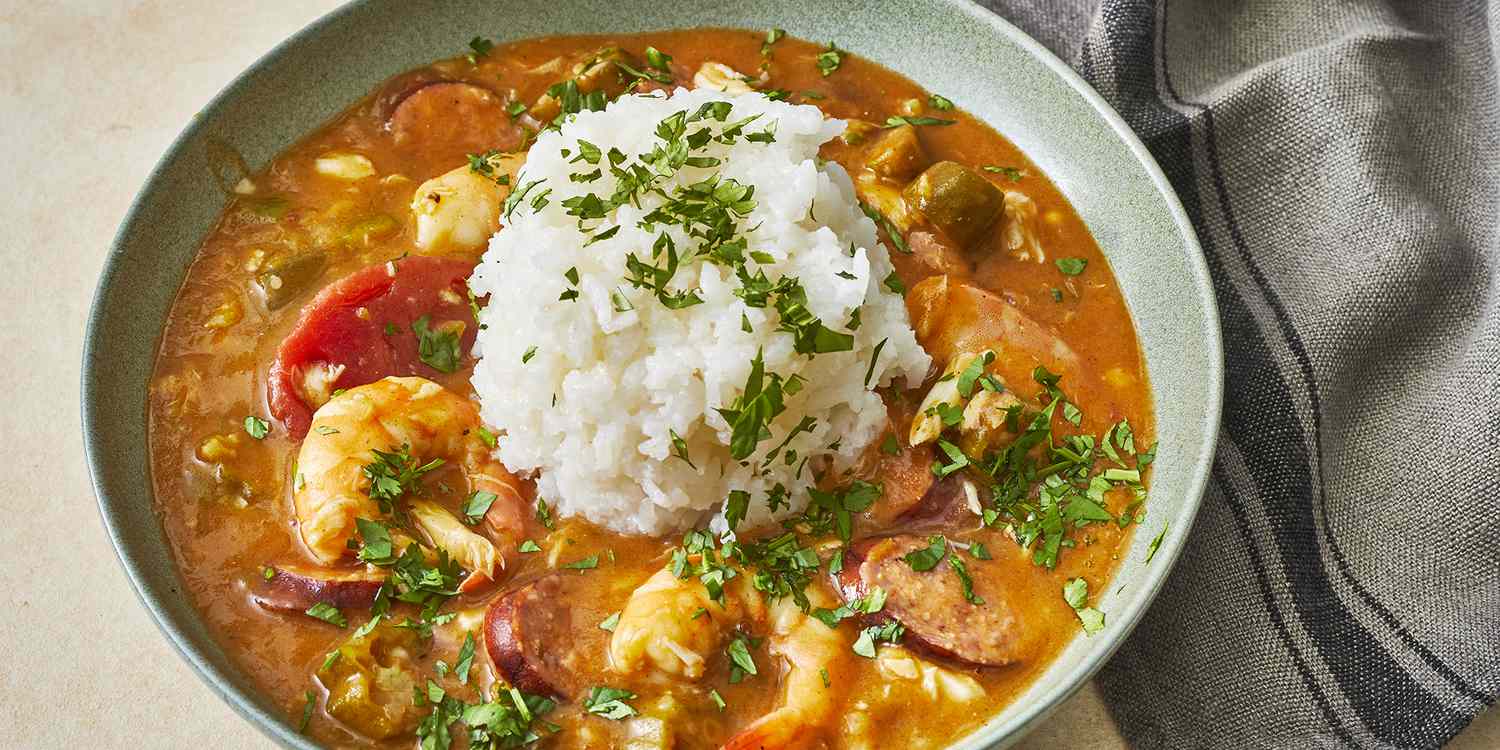
Your Guide to Louisiana Gumbo: From Dark Roux to Holy Trinity
Close your eyes and imagine the gentle caress of a Louisiana breeze, the lively rhythm of Cajun music, and the intoxicating aroma wafting from a simmering pot on the stove. This isn't just a meal; it's an experience, a celebration of heritage, and a culinary tradition passed down through generations. Louisiana gumbo is more than just a hearty stew; it's a melting pot of flavors, stories, and personal touches, making every
gumbo recipe unique. While there are as many variations of gumbo as there are Louisianans, each with its own special charm, we're here to guide you through crafting a truly exceptional version, a delicious journey from the deep, nutty notes of a dark roux to the vibrant freshness of the Holy Trinity. Our focus today is on a robust seafood and sausage gumbo, combining the best of the bayou in one incredible pot.
The Heart of Gumbo: Mastering the Dark Roux
At the very core of an authentic Louisiana
gumbo recipe lies the roux, a simple yet transformative mixture of fat and flour. While roux serves as a thickening agent in many dishes, for gumbo, it's much more. A dark roux provides a profound depth of flavor, a rich, toasted foundation that distinguishes true Louisiana gumbo from any other stew. Unlike lighter sauces or soups that might use a roux cooked for only a few minutes, gumbo demands a roux cooked to a deep, milk chocolate color. This process requires patience, attention, and a steady hand, but the reward is immense.
To begin your roux, you'll need equal parts fat and flour. Common choices for fat include vegetable oil, butter, or even rendered bacon fat for an extra layer of smoky flavor. Over medium heat, combine your chosen fat and flour in a heavy-bottomed pot or cast-iron skillet. The key to a successful dark roux is constant stirring. As it cooks, the mixture will gradually darken, moving from a pale blonde to peanut butter, then brick red, and finally to that desired milk chocolate hue. This transformation takes anywhere from 20 to 30 minutes, sometimes even longer. Do not be tempted to rush the process by increasing the heat, as this significantly increases the risk of burning. If your roux burns – even a little – you'll detect a bitter, acrid smell, and unfortunately, there's no saving it. You must discard it and start over. But don't despair! Once your roux reaches that perfect, glossy, dark brown color, a significant milestone in your
gumbo recipe journey is complete. The hardest part is over, and it's smooth sailing from here.
A crucial tip for making the roux: **prep all your other ingredients first!** Chop your vegetables, brown your sausage, peel and devein your shrimp, and measure out your stock and seasonings. This way, your full attention can be dedicated to the roux, and once it's ready, you can immediately proceed with the subsequent steps without fear of it overcooking. For a deeper dive into the nuances of this foundational technique, exploring different fats and their impact on your gumbo, you might find more insights in our guide to
Authentic Louisiana Gumbo: Master the Dark Roux & Holy Trinity.
The Soul of Louisiana Flavor: The Holy Trinity
After mastering your dark roux, the next cornerstone of any exceptional Louisiana
gumbo recipe is "The Holy Trinity." This culinary triumvirate of celery, bell pepper, and onion is the aromatic soul of countless Cajun and Creole dishes, providing a foundation of fresh, vibrant flavor that perfectly complements the richness of the roux. The classic ratio calls for equal parts of each ingredient, typically about a cup of each for a standard pot of gumbo, though a little flexibility won't harm the final dish.
Once your roux has reached its desired dark color, immediately add the chopped Holy Trinity to the pot. This addition serves a dual purpose: it begins to soften and release its aromatic compounds, and importantly, it helps to cool down the roux, preventing it from cooking further and potentially burning. Sauté the vegetables, stirring frequently, until they are softened and translucent, usually around 8-10 minutes. This step is where the magic of the aromatics truly begins to infuse the base of your gumbo, building layers of flavor that will blossom as the stew simmers. The blend of sweet onion, crisp celery, and mild bell pepper is indispensable, setting the stage for the deep, complex flavors that define a truly great gumbo.
Building Your Gumbo: Beyond the Roux and Trinity
With your dark roux and Holy Trinity established, you've laid a rock-solid foundation for an incredible
gumbo recipe. Now it's time to build upon it, introducing the other key components that will transform your base into a rich, satisfying meal.
Our particular gumbo recipe features a trio of meats: tender crab, succulent shrimp, and smoky andouille sausage. As mentioned, preparing these ingredients beforehand is crucial. For the andouille sausage, slice it into rounds and brown it in a separate pan to render some of its fat and develop a beautiful caramelized crust, then set it aside. Shrimp should be peeled and deveined. Once your Holy Trinity has softened in the roux, it's time to add your stock – ideally a good quality chicken or seafood stock, warmed slightly to prevent shocking the roux. Stir it in gradually to ensure a smooth consistency, then bring the mixture to a gentle simmer.
Next, introduce your browned andouille sausage, allowing its smoky essence to meld with the broth. Let the gumbo simmer for at least 30-45 minutes, allowing all the flavors to deepen and combine. Season generously with salt, black pepper, and your favorite Cajun seasoning blend, tasting as you go. Remember, the gumbo will continue to cook, so season thoughtfully.
Now, let's address a couple of ingredients that often spark friendly debate among gumbo aficionados: filé powder and okra. Filé, made from dried and ground sassafras leaves, is traditionally used as a thickener and flavor enhancer, imparting a unique earthy note reminiscent of root beer. However, since our gumbo is thoroughly thickened by the dark roux, filé isn't essential for structure in this
gumbo recipe. Many, like the renowned Emeril Lagasse, prefer to offer filé powder as a topping at the table, allowing diners to add its distinctive flavor if they wish. Similarly, okra is another ingredient that divides opinion. Some love its slightly slimy texture and mild flavor; others prefer their gumbo without it. If you're an okra fan, add about 2 cups of sliced okra after your roux has darkened and cook it for about 10 minutes before adding the Holy Trinity. This allows it to cook down slightly and release its thickening properties. Our recipe doesn't call for okra, but it's a matter of personal preference, truly highlighting how every
gumbo recipe can be tailored. For those interested in understanding the broader spectrum of gumbo styles, including the differences between Cajun and Creole, you can explore more in our article
Unlocking Louisiana Gumbo: Cajun vs. Creole & Essential Ingredients.
Finally, about 10-15 minutes before serving, add your shrimp and crab meat. Shrimp cooks quickly, and crab, especially pre-cooked crab, only needs to be heated through. Overcooking seafood will make it tough, so be mindful of the timing here. Your gumbo is nearly ready to be enjoyed!
Serving Your Louisiana Gumbo: A Culinary Tradition
A perfectly crafted Louisiana gumbo is a meal in itself, but it truly shines when served with traditional accompaniments. The quintessential pairing is a scoop of fluffy white rice, which provides a neutral canvas for the rich, complex flavors of the gumbo. Another beloved, though perhaps less known, accompaniment in Louisiana is potato salad, served either on the side or even directly into the gumbo bowl for a creamy contrast. Crusty French bread is also a fantastic addition, perfect for soaking up every last drop of that savory broth.
To garnish your bowls of gumbo, consider a sprinkle of fresh chopped green onions or parsley for a touch of color and freshness. And, of course, for those who love a little extra kick, a dash of hot sauce is always welcome. If you opted to skip filé powder during cooking, now is the time to offer it at the table, allowing everyone to personalize their bowl with its unique, earthy aroma.
Gumbo is more than just food; it's a communal experience, often tasting even better the next day as the flavors continue to meld and deepen. Store any leftovers in an airtight container in the refrigerator for up to 3-4 days, or freeze for longer storage.
Conclusion
Embarking on the journey to create your own Louisiana
gumbo recipe is a rewarding culinary adventure. From the patient stirring of the dark roux to the fragrant sauté of the Holy Trinity and the thoughtful layering of meats and seasonings, each step contributes to a dish that is deeply rooted in tradition and bursting with flavor. While the nuances of gumbo can seem daunting, with this guide, you have the insights and tips to master its essential components. So gather your ingredients, set aside some time, and bring the warmth and spirit of the Louisiana bayou into your own kitchen. This isn't just cooking; it's creating a masterpiece, a truly unforgettable gumbo that will delight your senses and nourish your soul. Enjoy the process, and savor every spoonful!