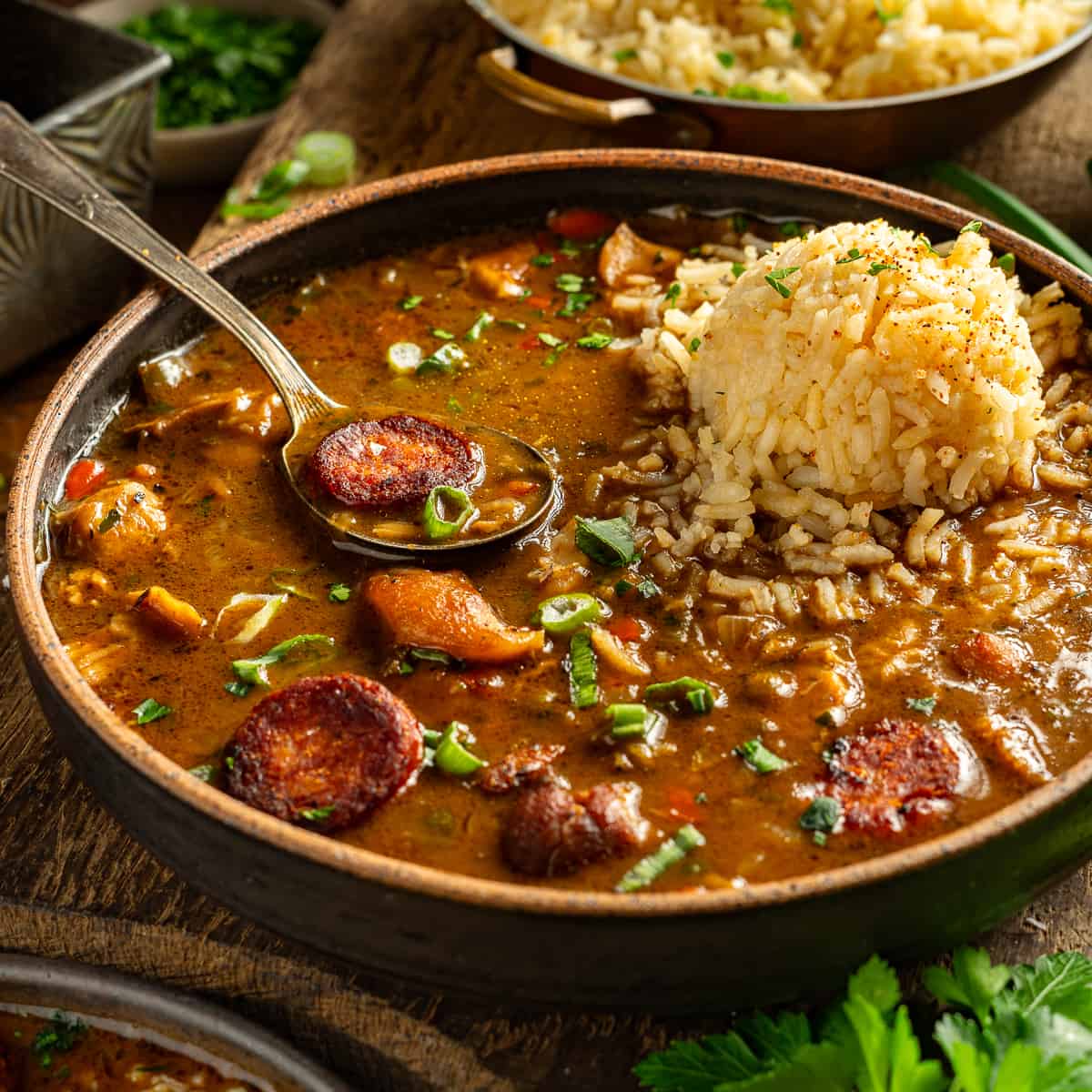
Unlocking Louisiana Gumbo: Cajun vs. Creole & Essential Ingredients
Close your eyes and imagine the gentle breeze of the Louisiana bayou, the lively sounds of jazz or Cajun music drifting from a nearby porch, and the intoxicating aroma of a simmering pot of gumbo. This isn't just a stew; it's a celebration of flavors, a taste of history, and a cherished tradition passed down through generations. Gumbo is perhaps the most iconic dish to emerge from Louisiana's rich culinary landscape, a true melting pot of African, French, Spanish, and Native American influences.
For anyone looking to dive into the heart of Southern cooking, mastering a gumbo recipe is a culinary rite of passage. But with as many variations as there are families in the Pelican State, where do you begin? Our journey today will demystify this hearty dish, exploring the fascinating differences between Cajun and Creole styles, and breaking down the essential ingredients that give gumbo its legendary depth.
Cajun vs. Creole Gumbo: A Culinary Showdown
The first fork in the road for any aspiring gumbo chef is understanding the distinction between Cajun and Creole styles. While both are undeniably delicious and share many core elements, their origins and certain ingredient choices set them apart:
- Creole Gumbo: The City Dweller
Originating in New Orleans, Creole gumbo often reflects the cosmopolitan nature of the city. A hallmark of Creole gumbo is the inclusion of tomatoes. This addition provides a brighter, sometimes sweeter, and tangier flavor profile. Creole gumbos are also frequently associated with a wider array of seafood, reflecting New Orleans' port city status and diverse population. They might use a lighter roux or even skip it in favor of okra as a primary thickener, though dark roux is certainly not uncommon. The cooking style is a blend of European techniques with African and Caribbean influences. - Cajun Gumbo: The Country Comfort
Hailing from the rural bayous and prairies of Southwest Louisiana, Cajun gumbo is typically heartier and more rustic. The most significant differentiator? No tomatoes. Cajun gumbo relies almost exclusively on a very dark roux for both thickening and its signature nutty, robust flavor. Proteins often include various combinations of chicken, duck, andouille sausage, and local game, though seafood gumbos are also popular, especially closer to the coast. The flavors tend to be more intense and savory, emphasizing the deep, earthy tones of the dark roux and smoky sausage.
Ultimately, both styles produce a richly flavored stew, and the lines can often blur. Many Louisianans enjoy both and might even combine elements. What unites them is the soul-satisfying experience of a warm bowl of gumbo served over rice.
The Heart of Gumbo: Essential Ingredients & Their Role
Regardless of whether you lean Cajun or Creole, certain foundational components are non-negotiable for an authentic Louisiana gumbo recipe. These ingredients work in harmony to build layers of complex flavor.
1. The Roux: The Soul of Gumbo
If gumbo has a heart, it's the roux. This mixture of equal parts fat and flour, cooked until it reaches a specific color, is more than just a thickener; it's the flavor foundation. For gumbo, especially Cajun gumbo, a dark roux is paramount.
- What is it? A roux is made by whisking flour into hot fat (often oil or bacon fat) over medium heat.
- The Transformation: Unlike lighter sauces where a roux might cook for only minutes, a gumbo roux is a labor of love, taking 20-30 minutes, sometimes even longer. As it cooks, it deepens in color from pale white to peanut butter, then copper, and finally, a rich, nutty brown, often described as the color of "milk chocolate."
- The Flavor: This extended cooking time not only thickens the gumbo but also develops a profound, toasted, almost smoky flavor that defines the dish. It's a key reason why preparing your ingredients beforehand (mise en place) is crucial; you can't step away from a darkening roux! If it burns, even slightly, you must start over, as a burnt roux imparts an acrid taste.
Pro Tip: Patience is your best friend when making a roux. Constant stirring prevents scorching, ensuring an even cook and a smooth, deep flavor. Using a heavy-bottomed pot also helps distribute heat more evenly.
2. The Holy Trinity: Building Aromatic Depth
No Louisiana dish, especially a gumbo recipe, is complete without the "Holy Trinity" of vegetables: celery, bell pepper, and onion. This aromatic trio forms the backbone of flavor, similar to a French mirepoix but with a distinctly Southern twist.
- The Ingredients: Typically, you'll use roughly equal parts of finely chopped celery, green bell pepper, and yellow onion. While exact measurements aren't critical, aiming for about a cup of each provides a balanced profile.
- The Role: Once the dark roux is achieved, the Holy Trinity is added, softening and releasing their natural sugars and aromatic compounds into the rich roux base. This step begins to build the complex layers of flavor that will simmer throughout the cooking process.
3. Protein Powerhouses: The Hearty Fillings
The protein selection for your gumbo is where personal preference and regional availability truly shine. A classic Louisiana gumbo, as outlined in our inspiration, often features a delicious trio:
- Andouille Sausage: This spicy, smoked pork sausage is a staple in Cajun cuisine. Its robust flavor and satisfying chew add a crucial smoky depth to the gumbo. Browning the sausage first not only renders some fat that can be used for the roux but also creates caramelized bits that enhance the overall flavor.
- Shrimp: Fresh, local shrimp are a gift from Louisiana's waters. Peeled and deveined, they cook quickly and add a delicate sweetness and tender texture. They're typically added towards the end of the cooking process to prevent overcooking.
- Crab: Whether lump crab meat or whole blue crabs (often split), crab provides a luxurious sweetness and distinct brininess that elevates a seafood gumbo to a gourmet level. Like shrimp, it's best added towards the end.
Other popular protein combinations include chicken and sausage, duck and sausage, or a medley of different seafood like oysters and fish. The beauty of gumbo is its adaptability!
4. To Filé or Not to Filé: The Sassafras Question
Beyond the core ingredients, two components often spark debate among gumbo aficionados: filé powder and okra.
- Filé Powder: Made from dried and ground sassafras leaves (yes, the same plant used for root beer!), filé powder offers a unique, earthy, and slightly rooty flavor. Historically, it was also used as a thickener. However, if your gumbo is already thickened with a dark roux, adding filé as a thickener might make it too dense. Many chefs, like the esteemed Emeril Lagasse, offer filé powder as a condiment at the table, allowing diners to sprinkle it over their individual bowls for flavor without altering the gumbo's texture.
- Okra: This mucilaginous pod is another traditional thickener, particularly in Creole gumbos or "gumbo z'herbes" (vegetable gumbo). If you love okra, you can certainly add about two cups to your gumbo recipe after the roux has darkened but before the Holy Trinity, allowing it to cook down for about 10 minutes. It adds a distinct texture and a subtle, earthy flavor.
Ultimately, the inclusion of filé or okra is a matter of personal preference and family tradition. There's no single "right" answer, only what you prefer!
Mastering Your Gumbo Recipe: Tips for Success
Embarking on your gumbo-making journey can feel daunting, but with these tips, you'll be simmering like a seasoned Louisianan in no time:
- Mise en Place is Your Best Friend: As highlighted, the roux requires undivided attention. Prepare *all* your ingredients—chop vegetables, brown sausage, peel shrimp, measure liquids—before you even light the stove for the roux. This ensures a smooth, stress-free cooking process.
- Stock Matters: Use a high-quality stock. Whether it's homemade chicken stock, seafood stock, or even a good store-bought variety, a flavorful stock contributes significantly to the gumbo's depth.
- Layer, Layer, Layer: Gumbo isn't just a mix of ingredients; it's a careful layering of flavors. Each step, from the dark roux to sautéing the trinity, adding stock, and simmering, builds upon the last. Don't rush these stages.
- Season Throughout: Don't wait until the end to season. Taste and adjust with salt, pepper, and your favorite Cajun spices (like cayenne, paprika, garlic powder, onion powder) at different stages. Remember, a good gumbo should have a pleasant warmth, not just overwhelming heat.
- Serve It Right: Gumbo is traditionally served over fluffy white rice. Some purists also enjoy a scoop of potato salad on the side or even directly in their bowl, believing its creaminess balances the rich stew. Don't forget a dash of hot sauce for those who like an extra kick!
Gumbo is more than just a meal; it's an experience, a narrative of Louisiana's vibrant culture and diverse heritage. Each spoonful tells a story of patience, tradition, and profound flavor. While the process may seem intricate at first, the reward is a deeply satisfying, incredibly flavorful dish that will transport your senses straight to the heart of the bayou. So, gather your ingredients, take a deep breath, and dive into the wonderful world of this iconic Louisiana gumbo recipe. Happy cooking!
