Authentic Louisiana Gumbo: Master the Dark Roux & Holy Trinity
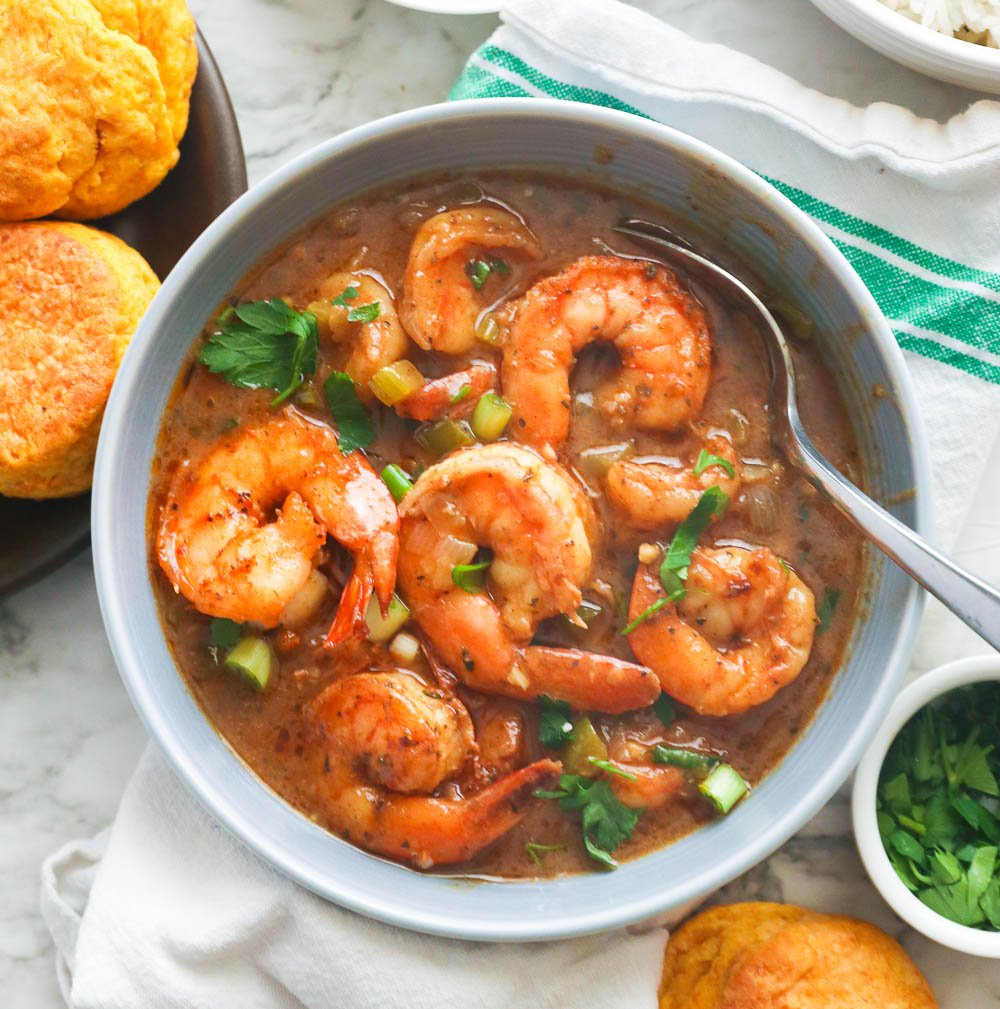
Close your eyes and imagine… the gentle breeze of the Louisiana bayou, the lively sounds of Cajun music, and the intoxicating aroma of a simmering pot of Louisiana Seafood Gumbo. This isn't just a soup; it's a celebration of flavors, a taste of history, and a cherished tradition passed down through generations. Few dishes capture the heart and soul of Louisiana quite like a rich, deeply flavored gumbo. While countless variations exist, mastering the fundamental elements of an authentic gumbo recipe is your key to unlocking this culinary magic.
Gumbo truly is a melting pot, reflecting the diverse cultural tapestry of Louisiana. Each family, each cook, brings their own touch, making it hard to classify a single "authentic" version. However, at its heart, a classic Louisiana gumbo recipe is built upon a foundation of rich stock, the aromatic Holy Trinity of vegetables, and a medley of delectable meats. Today, we’re delving into a hearty, deeply satisfying version thickened with a luscious dark roux, featuring the classic Holy Trinity, and finished with a triumvirate of succulent crab, shrimp, and savory andouille sausage.
The Soul of Gumbo: Mastering the Dark Roux
The single most crucial element in crafting an authentic Louisiana gumbo recipe, and arguably the most intimidating for newcomers, is the roux. A roux, in its simplest form, is an equal mixture of fat and flour, cooked together to create a thickening agent for sauces and soups. But for gumbo, we don't just want any roux; we demand a dark roux.
Unlike lighter sauces where the roux is cooked for only a few minutes, a gumbo roux is a labor of love that transforms from pale blonde to a deep, rich brown. This extended cooking time isn't just for thickening; it's where the roux develops its signature nutty, robust flavor and beautiful dark color, which forms the very foundation of your gumbo's taste profile. Think of it as building the soul of your stew.
Practical Tips for Roux Success:
- Preparation is Key: Before you even think about heating your pot for the roux, prepare all your other ingredients. Chop your Holy Trinity, brown your sausage, peel and devein your shrimp, and measure out your stock and seasonings. This way, once your roux reaches perfection, you can immediately add the next ingredients without worrying about it burning.
- Equal Parts: Always remember: equal parts fat (like vegetable oil or rendered bacon fat) and all-purpose flour. A good starting point for a large pot of gumbo is typically 1 cup of oil to 1 cup of flour.
- The Right Pot: Use a heavy-bottomed pot or Dutch oven. This distributes heat more evenly and reduces the risk of scorching.
- Constant Stirring: This is non-negotiable. From the moment the flour hits the hot fat, you must stir constantly. Use a sturdy whisk or a wooden spoon, making sure to scrape the bottom and sides of the pot to prevent sticking and burning.
- The Color Journey: Your roux will gradually darken. It starts pale, moves through peanut butter, then copper, and finally, for gumbo, aims for the color of milk chocolate. This can take anywhere from 20 to 30 minutes, sometimes even longer depending on your heat.
- Watch Like a Hawk: A burned roux is a ruined roux. If you see any black flecks or smell a burnt aroma, there's no saving it. You must discard it and start over. It's better to undercook it slightly than to burn it.
Once your roux has reached that gorgeous milk chocolate hue, congratulations! You've conquered the hardest part of your gumbo recipe. It's smooth sailing from here, as the deep, complex flavors you’ve just created are ready to embrace the rest of your ingredients.
The Flavor Foundation: The Holy Trinity
No authentic Louisiana gumbo recipe would be complete without the aromatic backbone known as "The Holy Trinity." This culinary cornerstone, consisting of equal parts celery, bell pepper, and onion, is fundamental to countless Cajun and Creole dishes. These three humble vegetables don't just add texture; they amplify the entire flavor profile of your gumbo, creating a depth and brightness that perfectly balances the richness of the dark roux.
In our gumbo recipe, we aim for approximately one cup of each of these diced vegetables, though exact measurements aren't critical. A little more of one or less of another won't derail your dish. The key is to chop them relatively uniformly so they cook evenly. Once your dark roux is complete, the Holy Trinity is typically added and sautéed until softened, releasing their sweet, pungent aromas and marrying beautifully with the nutty roux.
This stage is where your kitchen truly starts to smell like Louisiana, a testament to the power of these simple yet essential ingredients. For a comprehensive walkthrough of the entire process, from selecting the best ingredients to achieving that perfect consistency, don't miss Your Guide to Louisiana Gumbo: From Dark Roux to Holy Trinity.
Crafting Your Authentic Louisiana Gumbo Recipe: Beyond the Basics
With your dark roux perfected and the Holy Trinity softening, the rest of your gumbo comes together relatively quickly. Our chosen trio of meats – crab, shrimp, and smoky andouille sausage – adds layers of flavor and texture that truly elevate this gumbo recipe to a celebratory meal.
- Andouille Sausage: This spicy, smoked pork sausage is a staple in Louisiana cooking. Browning it before adding it to the gumbo not only renders out some of its fat (which can be used for the roux if desired, adding another layer of flavor) but also develops a beautiful crust and deepens its smoky character.
- Shrimp: Sweet and tender, shrimp adds a wonderful seafood element. It's best to add shrimp towards the end of the cooking process, as it cooks very quickly. Overcooked shrimp can become rubbery.
- Crab: Whether using lump crab meat or crab legs, crab provides a delicate sweetness and luxurious texture that makes this a truly special seafood gumbo.
To Filé or Not to Filé: Personalizing Your Gumbo
As you delve into the world of gumbo, you might encounter other traditional ingredients like filé powder or okra. Filé is dried and powdered sassafras leaves, the same ingredient that gives root beer its distinctive flavor. Some chefs use filé as an additional thickening agent, while others appreciate its unique earthy taste.
In our particular gumbo recipe, the dark roux provides ample thickening, so filé is not strictly necessary for that purpose. However, if you're looking for that specific sassafras flavor, you can offer filé powder as a topping when serving. This is a common practice, even favored by culinary legends like Emeril Lagasse, allowing each diner to customize their experience.
Another ingredient often associated with gumbo is okra. Whether or not to include it is truly a matter of personal preference. While some gumbos are renowned for their "okra slime" (which acts as a natural thickener), many prefer their gumbo without. Our specific gumbo recipe does not call for okra, but if you love it, feel free to add about 2 cups of sliced okra after your roux has darkened and cooked for about 10 minutes before adding the Holy Trinity.
Cajun vs. Creole: Understanding the Gumbo Landscape
As mentioned, the world of gumbo is vast and varied. One of the most common distinctions you'll hear is between Cajun and Creole gumbo. While both are quintessential Louisiana dishes, there are notable differences that speak to the distinct culinary traditions from which they originated.
- Creole Gumbo: Typically associated with New Orleans and its more urban, cosmopolitan culinary heritage. Creole gumbo often includes tomatoes, which add a tang and brightness to the stew, and frequently features seafood or chicken and sausage.
- Cajun Gumbo: Originating from the bayous and prairies of rural Louisiana, Cajun gumbo traditionally omits tomatoes. It often relies heavily on a dark roux for its deep color and flavor, and common protein choices include chicken, sausage, and sometimes game meats.
Our featured gumbo recipe, with its dark roux and absence of tomatoes, leans more towards the Cajun style, though the inclusion of both land and sea proteins bridges both worlds beautifully. For a deeper dive into these fascinating distinctions and the essential ingredients that define each, explore our detailed guide: Unlocking Louisiana Gumbo: Cajun vs. Creole & Essential Ingredients.
Conclusion: Your Gumbo Journey Awaits
Crafting an authentic Louisiana gumbo is more than just following a set of instructions; it's an immersive culinary journey. From the meditative process of mastering the dark roux to the fragrant symphony of the Holy Trinity and the rich medley of meats, each step builds towards a deeply satisfying reward. This gumbo recipe offers a hearty, flavorful stew that embodies the spirit of Louisiana cuisine.
Serve your magnificent gumbo hot, ideally over a bed of fluffy white rice, and don't forget the traditional side of potato salad for an authentic experience. Embrace the process, savor the aromas, and most importantly, enjoy the incredible flavors you've created. This isn't just a meal; it's a taste of tradition, ready to become a cherished part of your own family's culinary legacy.
